When you hear about a cool new brand or a service that sounds perfect for your needs, what’s the first thing you do? You don’t look for their physical office address, and you probably don’t check the Yellow Pages. You pull out your phone and type their name into a search bar.
If nothing comes up – or if the only thing that appears is a dusty Facebook page from 2022 – you feel that tiny pang of skepticism. Are they still in business? Is this a scam? Can I trust them with my credit card?
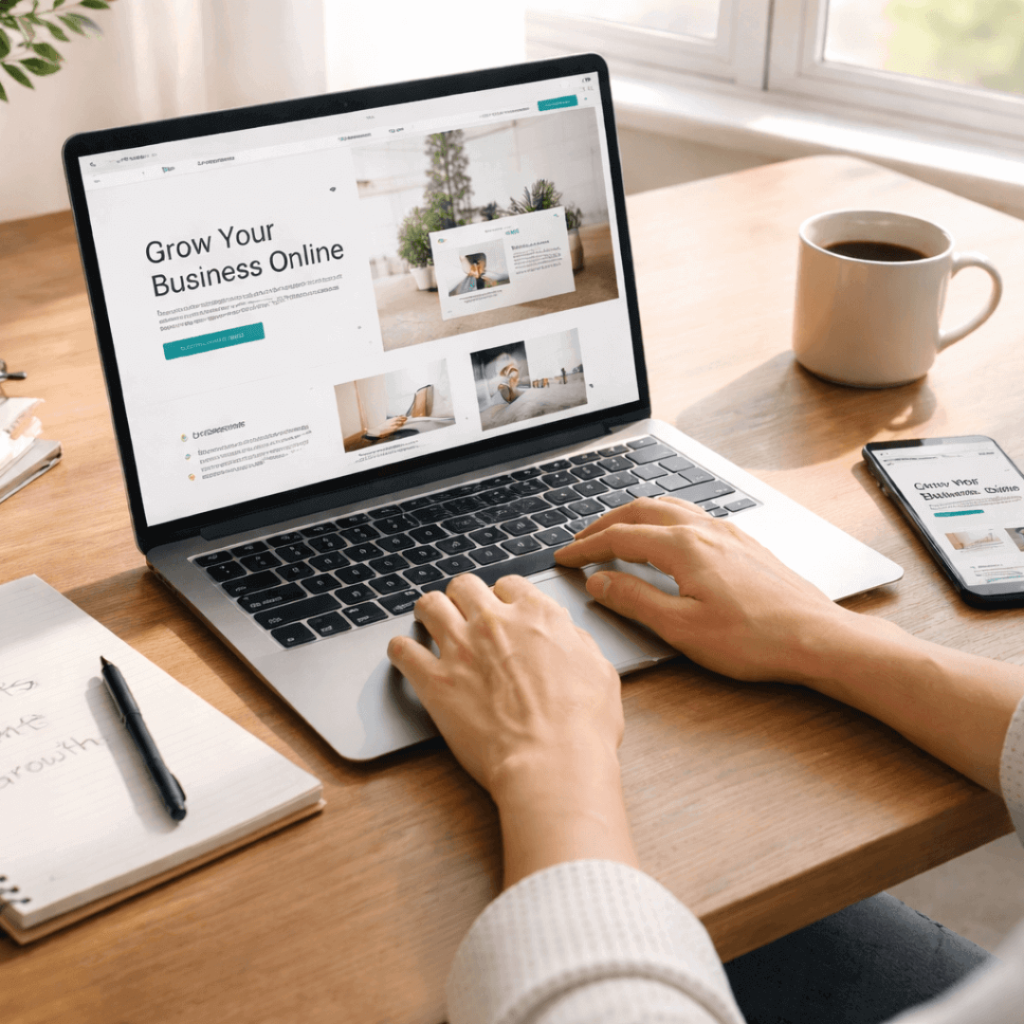
For a startup, a website isn’t just a digital brochure; it’s your digital headquarters. It’s the place where you control the narrative, own your data, and turn curious onlookers into loyal customers. If you’re still sitting on the fence about investing in a site, here’s why your startup needs to plant its flag in the digital soil today.
1. Credibility: The “Handshake” of the 21st Century
In the early stages of a startup, your biggest hurdle isn’t usually your product – it’s trust. You are the new kid on the block, and people need a reason to believe you’re here to stay.
A well-designed website acts as an immediate credibility booster. It tells the world:
- “We are professional.” A custom domain (like.com) looks far more legitimate than a generic social handle.
- “We are established.” You can showcase your mission, your team, and your journey.
- “We are reliable.” Seeing a “Contact Us” page with a professional email address provides peace of mind.
Without a website, you’re essentially asking customers to trust a “ghost” brand. With one, you’re giving them a polished storefront that never closes.
2. You Own the Land (Social Media is Rented)
Many founders think, “I have 10k followers on Instagram, why do I need a website?”
Here’s the cold, hard truth: Social media is rented land. If the algorithm changes tomorrow, your reach could drop to zero. if the platform decides to ban your account by mistake, your entire customer connection vanishes.
You website is property you own. *No Algorithm Gatekeepers: You decide how people see your content.
- Direct Communication: You can collect email addresses to build a mailing list (one of the highest ROI marketing tools.)
- Brand Consistency: You aren’t limited by a platform’s layout or front choices. You can make the experience feel exactly like your brand.
3. SEO: Getting Found While You Sleep
This is where the “growth” part of the title kicks in. Search Engine Optimization (SEO) is the process of making sure Google shows your site to people searching for what you sell.
If you sell organic dog treats and you don’t have a website, you have 0% chance of appearing when someone searches “best organic dog treats near me.” A website allows you to:
- Target Keywords: Use terms your customers are actually searching for.
- Local SEO: Help people in your city find you.
- Blog Content: By writing helpful articles (like the one you’re reading now!), you build authority and attract organic traffic without spending a cent on ads.
Tip: SEO is a long game. The sooner you launch your site and start posting content, the sooner Google Starts “ranking” you, giving you a massive head start over competition who wait.
4. The 24/7 Salesperson
Your team needs to sleep, but your website doesn’t.
Whether it’s 3:00 AM on a Tuesday or a busy holiday weekend, your website is working. It’s explaining your features, answering FAQs and – most importantly – capturing leads. By using simple tools like contact forms, automated chatbots, or an e-commerce checkout, your startup can generate revenue and inquiries while you’re busy building the next big feature of your product. It’s the ultimate scaling tools because it handles the “repetitive” part of sales (the introductions) for thousands of people at once.
5. Better Insights into Your Customers
When someone visits your social media profile, you get very basic date. When they visit your website, you get a treasure trove of insights. Tools like Goole Analytics can tell you:
- Where your visitors come from (Are they from TikTok? Or a specific blog?)
- What they care about (Which pages are they spending the most time on?)
- Where you’re losing them (Did they add something to the cart but leave at the shipping page?)
This data is gold for a startup. It allows you to pivot your strategy based on what people actually do, rather than what you think they want
How to Get Started (Without Breaking the Bank)
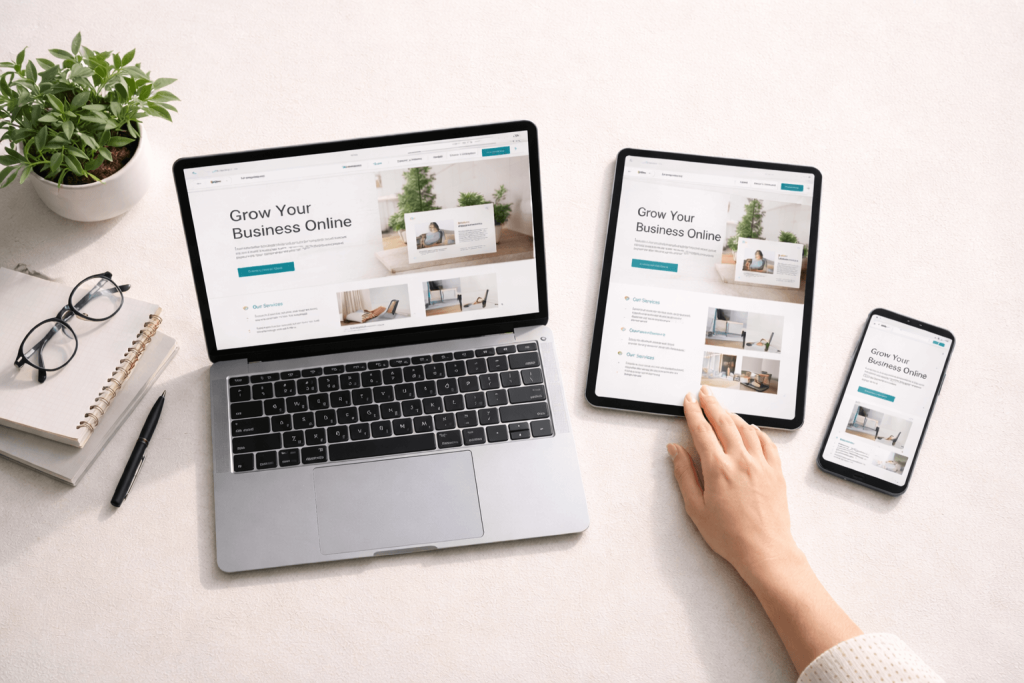
A lot of founders avoid building a site because they picture a $10,000 bill from a fancy agency. In 2026, that’s just not the reality anymore. You can get a professional site up and running using:
- No-Code Builders: Tools like Wix, Squarespace, or Framer allow you to drag and drop your way.
- WordPress: The gold standard for SEO and flexibility.
- One-Page Sites: If you’re in the “lean” phase, a simple, high-quality landing page is better then nothing.
In the modern economy, your website is your anchor. It builds the trust you need to close deals, the SEO presence you need to get found, and the date you need to grow.
Don’t wait until you’re “big enough” to have a website. You have a website so that you can get big.